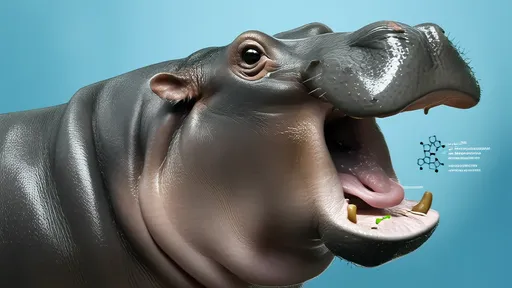
The animal kingdom has long been a source of inspiration for medical breakthroughs, and one of the most surprising candidates in recent years is the hippopotamus. Known for their massive size and semi-aquatic lifestyle, these creatures possess a unique biological feature that has captured the attention of researchers: their skin secretions. Unlike most mammals, hippos produce a thick, reddish fluid often referred to as "blood sweat," though it is neither blood nor sweat. This mysterious substance has shown remarkable antimicrobial properties, opening new doors for potential antibiotic development in an era where drug-resistant bacteria pose an increasing threat to global health.
For decades, scientists have observed that hippos rarely suffer from infections despite living in environments teeming with bacteria. Their skin secretions, initially thought to serve as a natural sunscreen or moisturizer, have now been identified as a complex cocktail of compounds with potent antibacterial and antifungal effects. The viscous fluid, which changes color from colorless to red and then brown as it polymerizes on the skin, creates an inhospitable environment for pathogens. This natural defense mechanism has evolved over millions of years, offering hippos protection in the muddy, microbe-rich waters they inhabit.
The chemical composition of hippo secretions reveals a fascinating array of bioactive molecules. Researchers have identified two particularly interesting pigments: hipposudoric acid, which gives the secretion its initial red color, and norhipposudoric acid, responsible for the brown hue that develops later. Both compounds demonstrate significant antimicrobial activity against a variety of pathogens. What makes these substances especially intriguing is their mechanism of action, which appears to differ from conventional antibiotics, potentially bypassing common resistance pathways that render many current drugs ineffective.
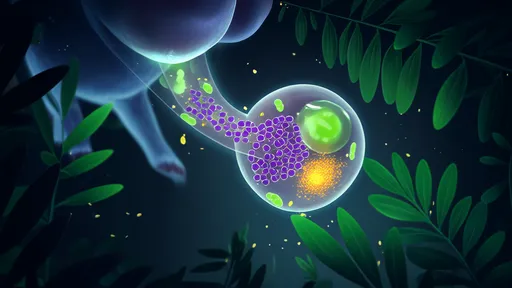
Laboratory tests have shown that these hippo-derived compounds can inhibit the growth of dangerous bacteria including Staphylococcus aureus and Pseudomonas aeruginosa, both of which are known for developing antibiotic resistance. The secretions also exhibit antifungal properties against Candida species, suggesting a broad spectrum of antimicrobial activity. Unlike synthetic antibiotics that often target specific bacterial processes, the hippo's natural defense system seems to employ multiple simultaneous strategies to neutralize pathogens, making it harder for microbes to develop resistance.
One of the most promising aspects of this research lies in the potential to develop new classes of antibiotics. With the rise of superbugs resistant to multiple drugs, the medical community faces an urgent need for novel antimicrobial agents. The unique chemical structures found in hippo secretions represent untapped templates for drug design. Pharmaceutical researchers are particularly interested in how these natural compounds might be modified or synthesized to create more stable, potent versions suitable for human use while maintaining their broad-spectrum effectiveness and low resistance potential.
Beyond their direct antimicrobial effects, hippo secretions may offer insights into alternative approaches to infection control. Some studies suggest these compounds might work synergistically with existing antibiotics, potentially revitalizing drugs that have become less effective due to resistance. Other research explores whether components of the secretion could be used to create antimicrobial surfaces for medical equipment or hospital environments, providing continuous protection against pathogen colonization.
The path from animal secretion to medical application is long and complex, requiring extensive testing for safety and efficacy. Researchers must determine whether these compounds can be effectively delivered in therapeutic doses without causing adverse effects in humans. There are also ecological considerations, as hippos are vulnerable species in many regions. Sustainable methods for compound production, likely through synthetic biology or chemical synthesis rather than direct harvesting from animals, will be essential for any future medical applications.
While much work remains, the study of hippopotamus skin secretions represents an exciting frontier in the search for new antimicrobial solutions. This research underscores the importance of biodiversity conservation, as countless potentially life-saving compounds may exist in nature, waiting to be discovered. As scientists continue to unravel the secrets of the hippo's natural antibiotic system, they may unlock new weapons in humanity's ongoing battle against infectious diseases, proving once again that some of our best medicines might come from the most unexpected places.

By /Aug 12, 2025

By /Aug 12, 2025

By /Aug 12, 2025

By /Aug 12, 2025
By /Aug 12, 2025
By /Aug 12, 2025
By /Aug 12, 2025

By /Aug 12, 2025

By /Aug 12, 2025

By /Aug 12, 2025
By /Aug 12, 2025

By /Aug 12, 2025

By /Aug 12, 2025
By /Aug 12, 2025
By /Aug 12, 2025
By /Aug 12, 2025

By /Aug 12, 2025

By /Aug 12, 2025
By /Aug 12, 2025

By /Aug 12, 2025
