Solving the Problem of Heavy Metal Accumulation in Water Spinach

Oct 31, 2025 By

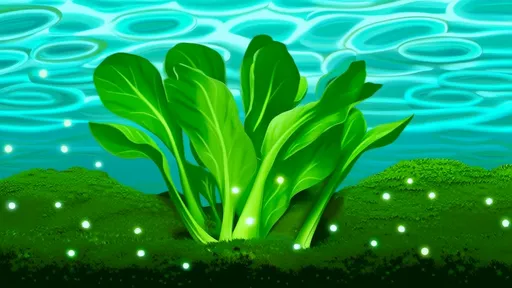
In the quiet corners of urban gardens and sprawling agricultural fields, a silent drama unfolds beneath the emerald leaves of water spinach. Known scientifically as Ipomoea aquatica, this popular leafy vegetable has become the subject of intense scientific scrutiny and public concern. The very characteristics that make it a nutritional powerhouse - its rapid growth and remarkable ability to absorb nutrients from soil and water - also render it particularly vulnerable to accumulating heavy metals from contaminated environments.


The issue first gained significant attention when health authorities in several Asian countries began reporting abnormal heavy metal concentrations in routine market surveys. Water spinach, consumed by millions for its crisp texture and mild flavor, was showing concerning levels of cadmium, lead, and arsenic in samples from various growing regions. The discovery sent ripples through the agricultural and public health communities, prompting immediate investigations into the sources and pathways of contamination.


Understanding the Mechanism

Water spinach possesses a biological makeup that makes it exceptionally efficient at nutrient uptake. Its root system, designed to absorb minerals and water from both soil and aquatic environments, doesn't distinguish between beneficial nutrients and harmful heavy metals. When these toxic elements are present in the growing medium, the plant's natural processes inadvertently draw them upward through the stem and into the leaves - the very parts humans consume.


The problem compounds in areas where industrial runoff, improper waste disposal, or historical use of contaminated irrigation water has compromised soil and water quality. Farmers, often unaware of the invisible threat building in their fields, continue traditional cultivation practices while the plants silently accumulate dangerous substances. The situation becomes particularly acute in regions where water spinach grows in floating rafts on potentially polluted water bodies, creating a direct pathway for contamination.


The Human Health Implications

Regular consumption of heavy metal-contaminated water spinach poses significant health risks that accumulate over time. These toxic elements don't simply pass through the human body; they can accumulate in organs and tissues, leading to chronic health conditions. Cadmium, for instance, primarily affects kidney function and bone structure, while lead exposure can cause neurological damage, particularly in children. Arsenic contamination carries its own set of dangers, including increased cancer risk and cardiovascular problems.


What makes this situation particularly troubling is that the populations most reliant on water spinach as a dietary staple are often those with limited access to diverse food sources. In many communities, this vegetable represents an affordable and readily available source of nutrition, creating a cruel paradox where a food intended to nourish instead potentially harms. The very communities that could benefit most from its nutritional value may be facing the greatest health risks.


Scientific Solutions and Agricultural Innovations

Research institutions and agricultural experts have mobilized to address this challenge through multiple approaches. Soil remediation techniques have shown promise in reducing heavy metal bioavailability. The application of specific soil amendments, including biochar, lime, and organic compost, can help immobilize heavy metals, preventing their uptake by plant roots. These methods don't remove the contaminants from the soil entirely but render them less accessible to growing plants.


Another promising avenue involves the development of water spinach varieties with reduced metal accumulation tendencies. Plant breeders are working to identify and cultivate strains that possess the desirable culinary qualities of traditional water spinach while demonstrating lower uptake of harmful elements. This genetic approach, combined with careful cultivation management, could provide a sustainable long-term solution.


Agricultural scientists have also refined growing protocols that minimize contamination risk. These include strict controls on irrigation water quality, strategic planting schedules that avoid peak contamination periods, and the implementation of buffer zones between potential pollution sources and cultivation areas. Farmers are being trained to recognize signs of potential contamination and to implement testing protocols before bringing crops to market.


Technological Monitoring and Quality Assurance

Advanced detection technologies are revolutionizing how we monitor heavy metal levels in agricultural products. Portable X-ray fluorescence analyzers and other rapid testing devices now enable field-level screening, allowing for real-time assessment of crop safety. These tools empower both farmers and regulatory agencies to identify potential problems before contaminated produce reaches consumers.


Blockchain and tracking systems are being implemented in some regions to create transparent supply chains. From seed to market, each batch of water spinach can be monitored and documented, providing consumers with assurance about the safety and origin of their food. This technological approach not only addresses safety concerns but also helps build consumer confidence in a traditionally trusted food source.


Government agencies have responded by establishing more rigorous testing protocols and safety standards. Regular monitoring of both growing environments and market samples has become standard practice in many regions. These regulatory frameworks, combined with farmer education programs, create multiple layers of protection for consumers while supporting agricultural communities in producing safe, healthy crops.


Consumer Awareness and Safe Preparation

Public education has emerged as a crucial component in addressing this complex issue. Consumers are learning that proper washing and cooking techniques can significantly reduce heavy metal content in water spinach. While these methods don't eliminate the problem entirely, they represent important risk-reduction strategies for households.


Nutrition experts emphasize the importance of dietary diversity as protection against potential contamination. By rotating water spinach with other leafy greens and vegetables, consumers can minimize their exposure to any single potential contamination source. This approach not only addresses safety concerns but also promotes broader nutritional benefits through varied vegetable consumption.


Market transparency initiatives are helping consumers make informed choices. Certification programs for safely grown water spinach and clear labeling of growing methods enable people to select produce from verified safe sources. These consumer-driven market signals, in turn, encourage farmers to adopt safer growing practices.


The Path Forward: Integrated Solutions

Addressing the challenge of heavy metal accumulation in water spinach requires an integrated approach that spans agricultural, regulatory, and consumer domains. Success depends on continued research into plant physiology and contamination pathways, coupled with practical agricultural interventions that farmers can realistically implement.


International collaboration has proven invaluable in sharing knowledge and best practices. Researchers from countries with extensive experience in addressing similar contamination issues are working with agricultural communities worldwide to develop context-appropriate solutions. This global knowledge exchange accelerates progress and helps prevent repeated mistakes.


Looking ahead, the development of smart farming technologies promises more precise monitoring and management of growing conditions. Sensors that continuously track soil and water quality, combined with data analytics that predict contamination risks, could provide early warning systems for farmers. These technological advances, accessible even to small-scale growers, represent the next frontier in ensuring food safety.


The story of water spinach and heavy metal contamination serves as a powerful reminder of our interconnected food systems. It illustrates how environmental protection, agricultural practices, and public health are inextricably linked. Through continued vigilance, scientific innovation, and collaborative effort, we can ensure that this nutritious vegetable remains a safe and valued part of diets worldwide.


Recommend Posts
Food

Significant Progress Made in the Control of Banana Wilt Disease

By /Oct 31, 2025

In a remarkable breakthrough that promises to reshape global banana production, scientists have announced significant advancements in combating the devastating Banana Fusarium Wilt, commonly known as Panama disease. This soil-borne fungal pathogen, caused by Fusarium oxysporum f. sp. cubense, has threatened banana plantations worldwide, particularly the Cavendish variety that dominates international trade. The recent developments represent the culmination of decades of research and international collaboration, offering tangible hope for an industry long plagued by this relentless disease.
Food

New Discovery of Functional Components in Mushrooms

By /Oct 31, 2025

In the quiet corners of laboratories and research facilities, a silent revolution is unfolding within the world of mycology. Scientists are uncovering remarkable functional compounds in mushrooms that challenge our understanding of nutrition, medicine, and environmental sustainability. These discoveries are not merely academic curiosities but represent potential solutions to some of humanity's most pressing health and environmental challenges.
Food

Optimization of Mulberry Anthocyanin Extraction Technology

By /Oct 31, 2025

In the lush orchards where mulberry trees flourish, a quiet revolution is taking place. The deep purple berries, long celebrated in traditional medicine, are now at the forefront of nutritional science due to their rich anthocyanin content. These potent pigments are not just responsible for the fruit's vibrant hue; they are powerful antioxidants linked to numerous health benefits, from anti-inflammatory effects to potential anti-cancer properties. However, the journey from berry to bioactive compound is fraught with challenges, primarily due to the delicate nature of anthocyanins, which are susceptible to degradation from heat, light, and pH changes. This has spurred intensive research into optimizing extraction techniques to maximize yield, purity, and bioactivity, ensuring that these valuable compounds can be effectively harnessed for pharmaceuticals, nutraceuticals, and functional foods.
Food

Expanding Markets for Deep-Processed Plum Products

By /Oct 31, 2025

In the evolving landscape of global food markets, deep-processed plum products have emerged as a significant category with substantial growth potential. The transformation of fresh plums into various value-added products not only extends their shelf life but also opens up new market opportunities across different regions and consumer segments. As consumer preferences shift towards healthier and more diverse food options, the plum processing industry stands at the forefront of innovation and market expansion.
Food

Re-evaluating the Nutritional Value of Chives

By /Oct 31, 2025

The humble garlic chive, known scientifically as Allium tuberosum, has long occupied a modest position in global culinary traditions. Often relegated to the role of garnish or flavor enhancer, this aromatic herb has rarely received the nutritional recognition it truly deserves. Recent scientific investigations, however, are compelling us to reconsider our perception of this unassuming plant. What emerges from contemporary research is a portrait of a nutritional powerhouse whose health benefits extend far beyond its traditional culinary applications.
Food

Achieving Zero Pesticide Residue in Organic Blueberry Cultivation: Breakthroughs in Precision Agriculture Technology

By /Oct 31, 2025

In the rolling hills of a quiet agricultural region, a revolution is quietly unfolding across blueberry fields that promises to transform our relationship with food production. The conventional image of farming—with its chemical sprays and blanket treatment approaches—is being systematically dismantled by a new generation of growers who have achieved what many considered impossible: certified organic blueberries with undetectable pesticide residues through advanced precision agriculture technologies.
Food

New Breakthrough in Seedless Grape Technology

By /Oct 31, 2025

In a groundbreaking development that promises to reshape the global fruit industry, agricultural scientists have announced a revolutionary new technique for producing seedless grapes without relying on genetic modification. The breakthrough comes from a decade-long research initiative at the International Horticultural Science Institute, where researchers have successfully developed what they're calling "Targeted Embryo Ablation Technology" - a method that could make seedless varieties the new standard in grape production worldwide.
Food

Completion of Watermelon Genome Sequencing

By /Oct 31, 2025

The completion of the watermelon genome sequencing project marks a monumental leap in agricultural genomics, revealing intricate biological secrets of one of the world's most beloved fruits. For centuries, watermelon has been cherished not only for its refreshing taste but also for its cultural significance across civilizations. Now, with its genetic blueprint fully deciphered, scientists and farmers alike stand at the precipice of a new era in crop improvement and sustainable agriculture.
Food

Tropical Fruit Dragon Fruit Successfully Grown in Temperate Regions

By /Oct 31, 2025

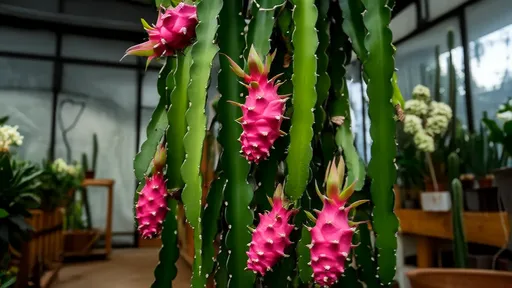
In the rolling hills of southern England, where apple orchards and strawberry fields have long dominated the agricultural landscape, a surprising sight is emerging: rows of vibrant pink dragon fruit hanging from cactus-like vines. This tropical delicacy, once confined to Southeast Asia and Latin America, is now finding a home in temperate climates, challenging long-held assumptions about agricultural possibilities.
Food

New Advances in the Study of Anti-Cancer Substances in Broccoli

By /Oct 31, 2025

The humble broccoli, long celebrated as a nutritional powerhouse, is revealing even more profound secrets in the fight against cancer. For decades, scientists have understood that this cruciferous vegetable contains compounds with protective properties, but recent research is illuminating the sophisticated mechanisms through which these compounds operate at a cellular level. We are moving beyond general dietary advice into an era of molecular understanding, where specific broccoli-derived substances are being investigated for their potential in targeted cancer prevention and even therapeutic applications.
Food

Research on the Antioxidant Properties of Eggplant Purple Pigments

By /Oct 31, 2025

In the vibrant world of plant pigments, the deep purple hue of eggplants has long captured culinary and scientific attention. Beyond its visual appeal, this distinctive coloration represents a complex biochemical defense system that has become the focus of groundbreaking nutritional research. The very compound that gives eggplants their characteristic purple skin – anthocyanin – has emerged as a potent antioxidant with remarkable health-protective properties.
Food

Solving the Problem of Heavy Metal Accumulation in Water Spinach

By /Oct 31, 2025

In the quiet corners of urban gardens and sprawling agricultural fields, a silent drama unfolds beneath the emerald leaves of water spinach. Known scientifically as Ipomoea aquatica, this popular leafy vegetable has become the subject of intense scientific scrutiny and public concern. The very characteristics that make it a nutritional powerhouse - its rapid growth and remarkable ability to absorb nutrients from soil and water - also render it particularly vulnerable to accumulating heavy metals from contaminated environments.
Food

Mechanism of Ginger's Antiemetic Effect Unveiled

By /Oct 31, 2025

For centuries, traditional healers and grandmothers alike have sworn by ginger's ability to soothe an upset stomach and quell the rising tide of nausea. From morning sickness to seasickness, the gnarly root has been a go-to remedy, its efficacy passed down through generations as folk wisdom. While its benefits were widely acknowledged, the precise biological mechanisms behind ginger's anti-emetic power remained shrouded in mystery, a secret locked within its pungent, aromatic compounds. Modern science, with its sophisticated tools and relentless curiosity, has finally begun to pick that lock, revealing a fascinating and surprisingly direct action on the very systems that control nausea and vomiting in the human body.
Food

New Research on the Antimicrobial Effects of Allicin

By /Oct 31, 2025

In the quiet laboratories where science meets nature's oldest remedies, researchers are uncovering remarkable new dimensions to garlic's therapeutic potential. The compound at the center of this scientific renaissance—allicin—has long been recognized for its antimicrobial properties, but recent investigations are revealing mechanisms and applications that could reshape our approach to combating bacterial infections in an era of increasing antibiotic resistance.
Food

New Discovery in the Anticancer Research of Pomegranate Seed Extract

By /Oct 31, 2025

In the quiet laboratories where science and nature converge, researchers have made a startling discovery that reads like a modern medical fairytale. The humble pomegranate, a fruit revered since antiquity for its symbolic richness and health benefits, has revealed a new dimension of its therapeutic potential. Recent investigations into pomegranate seed extract have uncovered a sophisticated arsenal of compounds that appear to wage a multi-front war on cancer cells, offering a glimpse into a future where nature's own chemistry could complement conventional oncology.
Food

Breakthroughs in Waxy Apple Cultivation Techniques

By /Oct 31, 2025

In the lush tropical orchards where agriculture meets innovation, a quiet revolution is taking place with the humble wax apple. Known scientifically as Syzygium samarangense, this watery-crisp fruit has long been cherished across Southeast Asia, but recent breakthroughs in cultivation techniques are transforming it from a seasonal delicacy into a commercially viable superstar.
Food

Avocado Cultivation Area Continues to Expand

By /Oct 31, 2025

The global agricultural landscape is witnessing a quiet but significant transformation as farmers across continents increasingly turn their attention to avocados. What began as a niche crop primarily cultivated in Mexico has evolved into a worldwide agricultural phenomenon, with new orchards springing up from the Andes mountains to the African highlands and Australian coastal regions. This expansion represents more than just changing farming patterns—it reflects shifting consumer preferences, global trade dynamics, and the complex interplay between agricultural development and environmental sustainability.
Food

Coriander Gene Determines Taste Preferences

By /Oct 31, 2025

The culinary world has long been divided by a peculiar green herb that garnishes dishes from Vietnamese pho to Mexican tacos. Coriander, known as cilantro in the Americas, inspires either passionate devotion or visceral disgust, with few remaining neutral about its distinctive flavor. For centuries, this polarization was attributed to cultural exposure or personal preference, but recent scientific discoveries have revealed a more fundamental truth: our relationship with coriander is written in our genes.
Food

Significant Enhancement in Disease Resistance of New Muskmelon Varieties

By /Oct 31, 2025

Agricultural researchers have announced a breakthrough in melon cultivation that promises to reshape farming practices across multiple continents. A newly developed muskmelon variety demonstrates unprecedented resistance to several devastating plant diseases that have long plagued commercial growers. The development comes at a crucial time when climate change and global trade have accelerated the spread of pathogens that threaten food security.
Food

Nutritional Composition Analysis of Crown Daisy

By /Oct 31, 2025

In the bustling world of superfoods and nutritional powerhouses, one humble leafy green often escapes the spotlight it deserves. Crown Daisy, known more commonly as Garland Chrysanthemum or Shungiku in Japanese cuisine, represents one of those remarkable vegetables that bridges culinary delight with profound health benefits. While kale and spinach dominate health conversations, this aromatic green with its distinctive flavor profile has been quietly nourishing generations across Asian cultures, now poised to claim its rightful place in global nutrition discussions.